Reviewing My First Dog-mas for Real Embroidery Projects
As a designer who spends more time than I care to admit staring at stitch patterns and troubleshooting tension issues, I don’t just look at an embroidery file; I look at its potential in the real world. When I first pulled up My First Dog-mas, I didn’t see just another holiday graphic. I saw a specific kind of emotional hook that sells well on Etsy and craft fairs, but only if executed correctly. This review is about whether this design holds up under the needle, how it translates from screen to fabric, and where it fits into your current product lineup.
First Impressions: Mood and Visual Personality
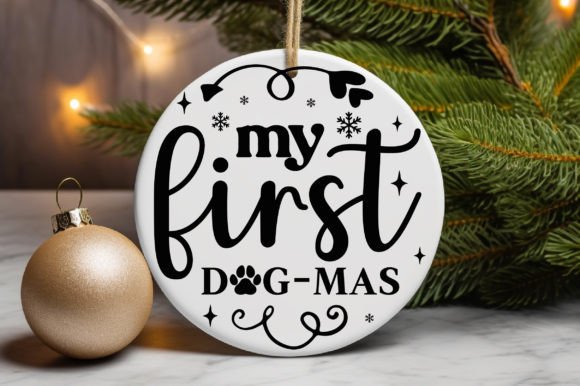
The title My First Dog-mas immediately sets a tone of warmth and nostalgia. It taps into the "firsts" trend that is huge in baby and pet merchandise. Visually, the design feels playful without being chaotic. The layout suggests a central focal point—likely a dog silhouette or illustration—that anchors the composition. For an embroidery project, this clarity is vital. If the design is too busy, the stitching becomes muddy. If it’s too sparse, it lacks impact on larger garments.
In terms of visual personality, this design leans into cozy, boutique aesthetics. It feels like something you’d find in a high-end nursery or a curated pet shop. The humor in the pun adds a layer of shareability, which is crucial for social media marketing. However, the charm lies in the simplicity. It doesn’t rely on intricate, tiny details that might get lost in thick fleece or textured canvas. Instead, it relies on strong shapes and clear negative space, which are the hallmarks of a successful machine embroidery design.
Real-World Application: Where This Design Shines
I recently imagined using My First Dog-mas for a custom order—a personalized gift for a client whose family had just adopted a puppy during the holidays. The natural home for this design is on soft, plush fabrics that enhance the cozy vibe. Here is how I see it performing in specific scenarios:
- Sweatshirt Embroidery: This is perhaps the strongest use case. A crewneck sweatshirt in cream, sage green, or navy provides the perfect backdrop. The design works beautifully as a chest-sized placement or even centered on the back. The contrast between the soft fabric and the structured stitches creates a premium feel.
- Baby Embroidery Items: For onesies, burp cloths, or hooded towels, this design hits the right note of sentimentality. Parents love "first Christmas" items, and adding the dog element makes it unique. Just be mindful of hoop size; small hoops can sometimes distort delicate baby fabrics, so testing is key.
- Tote Bag Design: A canvas tote bag is a staple for craft business owners. This design would look fantastic stamped on the front of a sturdy cotton canvas tote. It turns a functional item into a statement piece. The durability of the embroidery will hold up to daily use, unlike printed designs that might crack.
- Embroidered Patches: With a simple border, this could easily be converted into an iron-on patch for denim jackets or backpacks. The round ornament shape mentioned in the bundle descriptions lends itself perfectly to a circular patch format.
Technical Considerations and Stitch Performance
Not all graphics translate equally well to thread. When evaluating My First Dog-mas as an embroidery file, we have to talk about stitch density and detail resolution. Designs with fine lines or tiny text often struggle unless they are digitized with exceptional precision. Assuming this is a standard SVG-based embroidery design, I suspect it relies heavily on fill stitches for the main body and satin stitches for outlines.
If the design includes lettering, ensure the font weight is sufficient. Thin fonts can disappear on textured fabrics like terry cloth or fleece. I always recommend inspecting small details in black and white mockups before finalizing your color palette. This helps you see if the shapes hold their integrity without the distraction of color.
Thread colors are critical here. To make the design pop, consider using metallic threads for accents or contrasting bobbin threads for a subtle surprise. However, avoid overly complex color changes if you are running large batches for a craft fair; fewer changes mean faster production times and lower labor costs.
Where to Use Caution
While versatile, there are places where this design might struggle. Avoid placing it on highly textured fabrics like heavy bouclé or loose-weave linen unless you stabilize properly. The needle may skip, or the fabric may pucker. Similarly, stretchy fabrics like spandex blends require a strong stabilizer, such as cut-away, to prevent distortion during stitching. Curved surfaces, like baseball caps, can also be tricky; the curvature might warp the circular elements of the design if not hooped correctly.
Impact on Product Value and Customer Trust
From a business perspective, the quality of your embroidery directly impacts customer trust. A clean, well-stitched finished product signals professionalism. Customers are willing to pay a premium for handmade goods that look polished. If the stitches are uneven, the colors clash, or the design looks pixelated because the resolution was poor, buyers will question the overall quality of your brand.
Using a design like My First Dog-mas allows you to create cohesive collections. You can pair it with other holiday-themed designs to create bundles for Etsy sellers or small shop products. Consistency in style builds recognition. When customers see your distinctive aesthetic across multiple items—pillow covers, tea towels, and aprons—they are more likely to return for future purchases.
Practical Designer Notes for Implementation
Before you commit to producing these items, follow these practical steps to ensure success:
- Test on Scrap Fabric: Always run a test stitch on the exact fabric you plan to use. This reveals tension issues, thread breaks, or puckering before you ruin a finished garment.
- Check Hoop Size: Ensure your embroidery machine’s hoop is large enough for the design dimensions. If the design is too large, you may need to split it or choose a different placement.
- Inspect Small Details: Zoom in on the digital file. Are there any tiny elements that might not stitch out clearly? Simplify if necessary.
- Confirm Licensing: If you intend to sell the finished items, verify the commercial license for the digital embroidery file. Some licenses allow personal use only, while others permit selling a limited number of physical goods.
- Select Proper Stabilizer: Match the stabilizer to the fabric weight. Light fabrics need lightweight tear-away, while heavy fabrics require cut-away support.
Final Verdict
My First Dog-mas is a solid addition to any embroiderer’s library, particularly for those targeting the holiday market. It balances humor with heart, making it appealing to a broad audience. Whether you are creating personalized gifts, expanding your Etsy listings, or designing assets for other creators, this design offers versatility and charm. Just remember that the magic happens in the execution. Take the time to test, stabilize, and finish cleanly, and you’ll have a handmade product that stands out in a crowded marketplace.
For those looking to diversify their craft business offerings, this design bridges the gap between cute and classy. It’s not just a novelty item; it’s a well-rounded design asset that can elevate your brand’s presence in the Graphics and Crafts categories. Happy stitching!