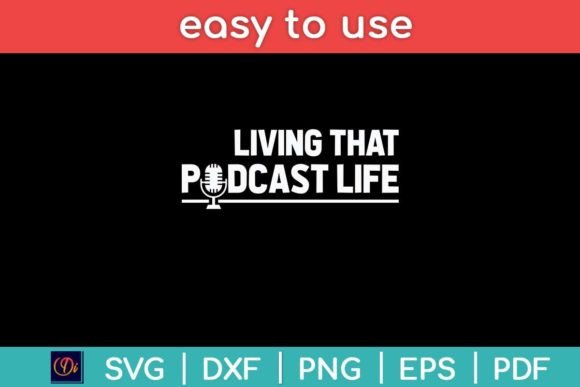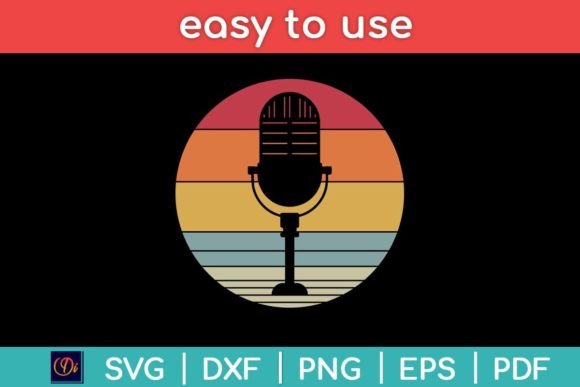
Vintage Retro Podcast Funny Microphone Graphics for Crafts and Publishing
In the world of digital publishing, visual communication is not merely decorative; it is functional. As a blog designer who has spent years optimizing content for readability, click-through rates, and brand trust, I approach every graphic design asset with a critical eye. We are looking for more than just a pretty image. We need assets that support our editorial voice, enhance our brand identity, and perform well across various digital touchpoints. Today, I am reviewing a specific design that has caught my attention for its potential in niche content marketing: the Vintage Retro Podcast Funny Microphone.
This asset falls squarely into the intersection of Crafts and Graphics, but its utility extends far beyond physical merchandise. While the product description notes that this is a print cut file compatible with Cricut and Silhouette machines for t-shirts, mugs, wall decals, pillows, and posters, I see a much broader application for digital publishers, affiliate marketers, and online educators. The vintage aesthetic offers a unique mood that can elevate a content site from generic to curated.
The Editorial Mood and First Impressions
When you first encounter the Vintage Retro Podcast Funny Microphone design, the immediate impression is one of nostalgic warmth mixed with modern playfulness. It evokes the golden age of radio while acknowledging the current podcasting boom. For a blogger or content creator, this visual language signals approachability and creativity. It feels less like a corporate stock photo and more like a hand-crafted element, which can significantly boost reader trust.
The style is distinctly retro, utilizing muted tones and classic shapes that suggest a lifestyle-focused, artistic, or educational niche. It works beautifully for websites dedicated to audio storytelling, creative entrepreneurship, small business branding tips, or even hobbyist blogs. The design does not scream for attention in a loud, aggressive way; instead, it invites the reader in with a sense of curiosity. This subtle confidence is exactly what we want in high-quality editorial design.
Integrating the Asset into Real Publishing Workflows
So, how do we move this asset from a cutting file to a core component of our digital strategy? The versatility of this SVG format allows it to be scaled and adapted for numerous use cases without losing integrity. Here is how I recommend integrating it into your content marketing workflow:
- Blog Featured Images: Use the microphone graphic as a central anchor on a solid-colored background to create a striking featured image. This helps establish a consistent visual hierarchy and makes your posts instantly recognizable in search results.
- Pinterest Pins: Pinterest is a visual search engine. A clean, retro microphone graphic paired with bold typography can drive significant traffic. Because the design is simple, it leaves ample room for text overlays, ensuring your pin stands out in crowded feeds.
- Newsletter Headers: Add a touch of personality to your email campaigns. Placing this graphic in the header of your newsletter can reinforce your brand’s creative side and increase open rates among subscribers who appreciate aesthetic consistency.
- Digital Guides and Lead Magnets: If you are creating a downloadable resource, such as an eBook cover or a worksheet, this graphic serves as an excellent icon or decorative accent. It suggests that your content is both fun and valuable.
- Social Media Graphics: Whether for Instagram stories or Facebook posts, this asset adds a layer of professionalism. It transforms a standard text post into a branded piece of content.
Supporting Content Performance and Trust
Why does this specific design matter for performance metrics? In content marketing, every second counts. A strong first impression can reduce bounce rates and encourage deeper engagement. By using a cohesive set of design assets like this microphone graphic, you create a unified visual system that readers subconsciously associate with quality.
Furthermore, clear visual hierarchy guides the reader’s eye. When used correctly, this graphic can direct attention to key messages, such as a call-to-action button or a headline. It supports affiliate marketing efforts by making promotional content feel less salesy and more editorial. When your visuals look polished, your audience is more likely to trust your recommendations.
Strategic Placement and Best Practices
To get the most out of this asset, strategic placement is key. It excels in hero images where it can serve as a focal point. It also works well as an editorial accent within long-form articles, breaking up text and keeping readers engaged. For category visuals, it can help users quickly identify sections of your site dedicated to podcasts, audio content, or creative hobbies.
However, there are areas where caution is advised. Small mobile thumbnails may lose detail if the graphic is too complex, so ensure the vector lines remain crisp when scaled down. Avoid placing it on busy layouts or low-contrast backgrounds, as this will compromise readability. Additionally, if your website caters to a serious professional niche or corporate environment, this playful retro style might clash with your desired tone. Always consider whether the visual mood aligns with your overall web design philosophy.
Practical Publisher Notes for Implementation
Before adding this to your library, I recommend running a few tests. Preview the graphic inside a real blog layout to see how it interacts with your existing color palette. Test it alongside different font styles—pairing it with a serif font can enhance the vintage feel, while a sans-serif font might modernize it. Check contrast and readability thoroughly.
Also, consider file size optimization. Even though it is an SVG, converting it to PNG for certain platforms requires proper compression to maintain web performance. Finally, always confirm your commercial license. If you are using this on monetized websites, affiliate pages, or paid content products, understanding the licensing terms is crucial to avoid legal issues.
Conclusion
The Vintage Retro Podcast Funny Microphone is more than just a craft cut file. It is a versatile digital download that can significantly enhance the visual appeal of your online presence. By integrating it thoughtfully into your Canva templates, social media graphics, and editorial layouts, you can create a more engaging and trustworthy experience for your audience. For bloggers and designers looking to add a touch of retro charm to their creative design toolkit, this asset is a worthy addition.